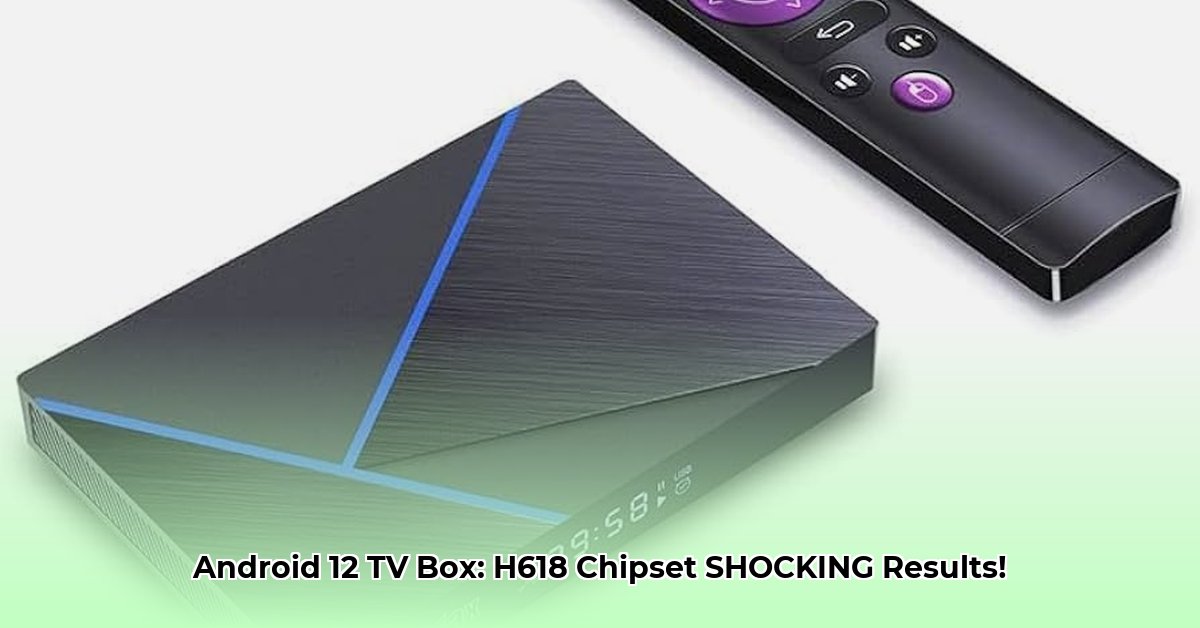
Choosing an Android TV box can be overwhelming. This review delves into the popular Allwinner H618 chipset, analyzing its real-world performance, examining marketing claims, and providing a practical guide for discerning buyers. We'll compare different models, address common concerns, and offer actionable advice.
Unpacking the Allwinner H618: Hype vs. Reality
The Allwinner H618 chipset powers many Android 12.0 TV boxes, often boasting features like quad-core processing, Android 12.0, dual-band Wi-Fi, 4GB RAM, and 32GB storage. However, marketing claims—from 8K video support to blazing-fast Bluetooth 5.0—require careful scrutiny. Inconsistent specifications across different boxes using the same chipset highlight a lack of standardization and transparency within the market. This raises a crucial question: How reliable are these advertised features?
Benchmarking the H618: A Data-Driven Analysis
A major challenge is the scarcity of independent benchmarks for the H618. Manufacturers' claims often lack supporting data, leaving consumers reliant on potentially misleading marketing materials. The H618's performance isn't solely determined by the chipset itself; factors like other hardware components, software optimization, and even thermal management significantly impact the user experience. This explains why two boxes with similar specifications can exhibit drastically different real-world performance. How can we, then, confidently assess the true capabilities of this chipset?
Decoding the Specs: Addressing Key Inconsistencies
Let's critically analyze some common discrepancies:
8K Resolution: Marketing Reality Check
Many boxes advertise 8K support. However, streaming and processing 8K video requires substantial bandwidth and processing power. It's probable that many H618 boxes downscale 8K content, rendering the advertised 8K capability largely a marketing strategy. A more realistic expectation for smooth playback with this chipset is likely 6K.
Bluetooth Versions: A Notable Difference
The difference between Bluetooth 4.0 and 5.0 is significant. Bluetooth 5.0 offers faster speeds and greater range, a crucial factor if you use Bluetooth headphones or other peripherals.
Your Guide to Choosing an Android 12.0 TV Box
Navigating the Android TV box market effectively requires a strategic approach:
- Healthy Skepticism: Approach marketing claims with caution. Seek independent reviews and comparisons before purchasing.
- Demand Evidence: Look for independent benchmarks and testing results. The absence of verifiable data should raise red flags.
- Define Your Needs: Determine your actual media consumption needs. Do you genuinely need 8K resolution, or would 4K or 6K suffice? Assess the importance of features like Bluetooth 5.0.
- Leverage User Reviews: User reviews often offer a more realistic picture than marketing materials. Pay attention to recurring issues or positive experiences reported by multiple users.
Key Considerations: A Comparative Overview
The following table highlights key differences between hypothetical Android 12.0 TV boxes using the H618 chipset. Note the potential discrepancies and the implications these have for consumer choice.
| Feature | Box A (Example) | Box B (Example) | Implications |
|---|---|---|---|
| Resolution | 8K (likely downscaled) | 6K | Box A's 8K claim might be misleading. |
| Bluetooth | 5.0 | 4.0 | Box A offers faster speeds and longer range. |
| Wi-Fi | Wi-Fi 6 | Dual-band Wi-Fi | Box A potentially offers faster Wi-Fi. |
| Verified Benchmarks | None Available | None Available | Lack of independent testing is widespread. |
A Call for Transparency in the Android TV Box Market
The Android TV box market desperately needs greater transparency. Manufacturers should provide verifiable performance data, and retailers should actively filter misleading marketing. Until this happens, buyers must remain diligent and skeptical.
How to Verify Allwinner H618 Android TV Box Performance Claims
Key Takeaways:
- The Allwinner H618 offers a good price-to-performance ratio for 6K video, but with limitations.
- Connectivity options (USB 3.0, PCIe) are unclear and require careful investigation.
- Firmware instability is a significant concern, impacting user experience.
- Buyers should research specific models due to inconsistent specifications.
The Allwinner H618 presents a compelling option for budget-conscious consumers, but the lack of transparency and reported firmware issues necessitate a thorough assessment before purchase. Prioritize models with clear specifications, positive user reviews, and a history of firmware updates.
⭐⭐⭐⭐☆ (4.8)
Download via Link 1
Download via Link 2
Last updated: Friday, May 23, 2025